
Pet Ultrasound
At Avenue Veterinary Clinic, we feature dog ultrasound, cat ultrasound, and vet ultrasound services for pets in Waverly and the surrounding area, supporting accurate diagnosis and timely treatment decisions for a wide range of medical concerns.
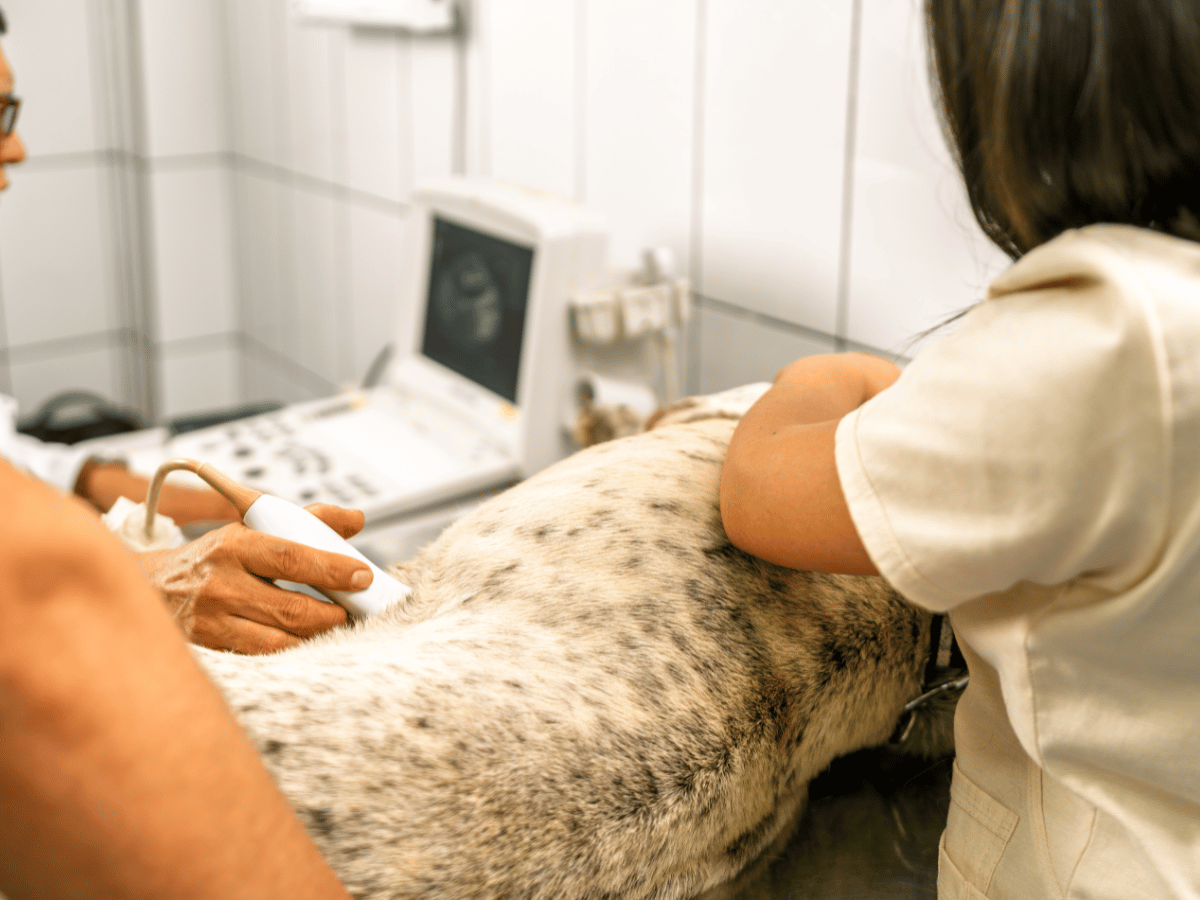
What Is a Pet Ultrasound?
A pet ultrasound uses sound waves to produce detailed images of internal organs, including the liver, kidneys, bladder, spleen, intestines, and reproductive structures. Unlike X-rays, ultrasound allows veterinarians to assess soft tissues and organ function in motion, making it especially useful for evaluating abdominal issues, fluid buildup, pregnancy, and internal abnormalities.
Ultrasound is commonly recommended when pets show unexplained symptoms, when bloodwork results need further clarification, or when a closer look at internal organs is necessary without surgery.
How Ultrasound Helps Diagnose Health Concerns
During a vet ultrasound appointment, pets are typically positioned comfortably, while a small area of fur may be clipped to ensure clear imaging. The procedure is painless and usually does not require sedation, though mild calming measures may be used if a pet is anxious.
Ultrasound imaging allows our veterinary team to:
- Examine organ size, shape, and texture
- Detect masses, cysts, or abnormal fluid
- Assess blood flow and organ movement
- Guide needle aspirates or biopsies when needed
For both dog ultrasound and cat ultrasound, results can often be reviewed the same day, allowing for faster care planning.
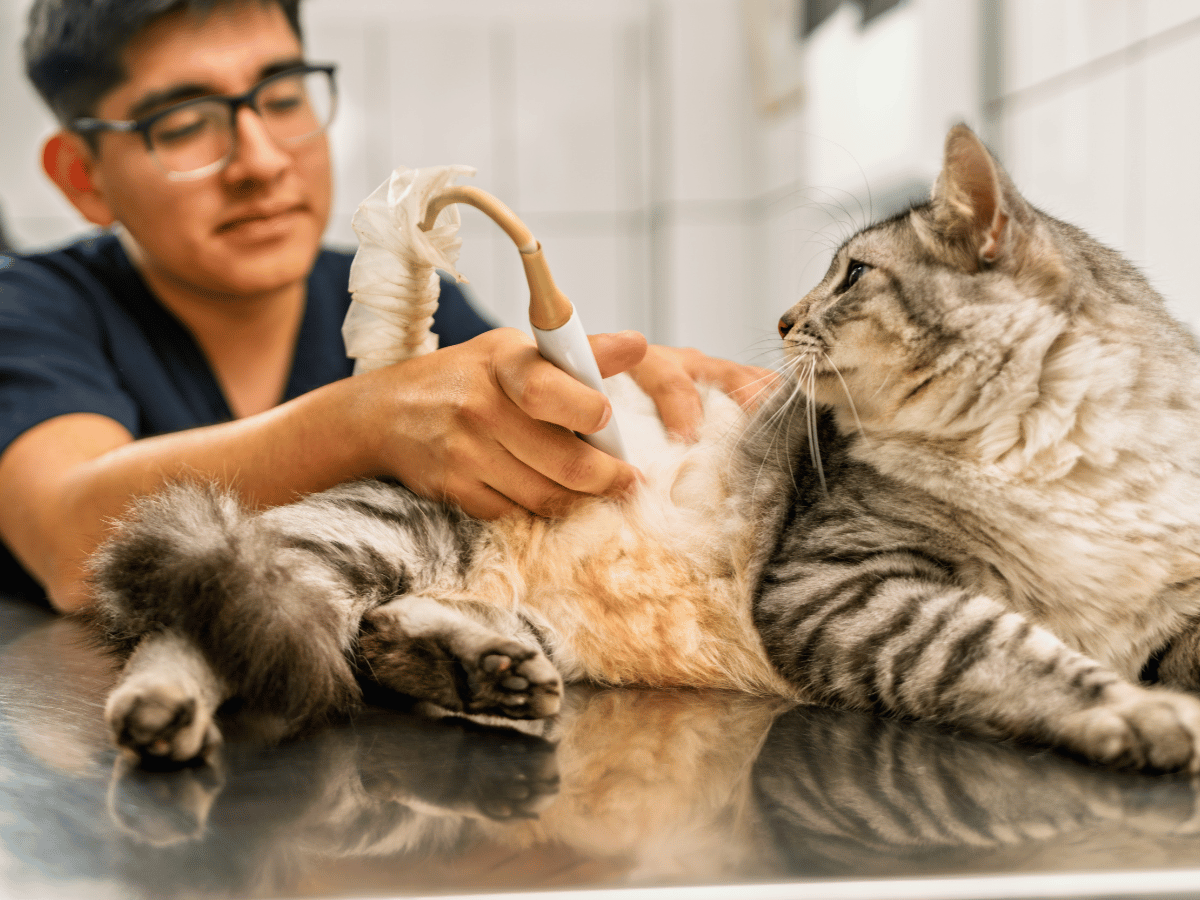
Why Pet Ultrasound Is Important
Ultrasound plays a critical role in diagnosing conditions that may not be visible on standard X-rays or physical exams. It is especially valuable for evaluating abdominal pain, gastrointestinal issues, urinary problems, pregnancy, and internal inflammation.
Early and accurate diagnosis helps:
- Reduce the need for exploratory surgery
- Identify conditions before they worsen
- Guide targeted treatment plans
- Improve comfort and outcomes for pets
Without advanced imaging, such as ultrasound, some internal conditions can go undetected or be more difficult to manage effectively.
Diagnostic Imaging Backed by Experience
Our veterinary team uses ultrasound as part of a comprehensive diagnostic approach that may also include physical exams, laboratory testing, and digital X-rays. By combining multiple tools, we can form a clearer picture of your pet’s health and recommend care that aligns with their specific needs.
Ultrasound exams are interpreted by experienced veterinarians who understand how subtle changes in imaging can impact diagnosis and treatment decisions.
FAQs About Pet Ultrasound
Is ultrasound safe for pets?
Yes. Ultrasound is considered very safe and does not involve radiation.
Will my pet need to be sedated?
Most pets do not require sedation. Calm handling and gentle positioning are often sufficient.
How long does a pet ultrasound take?
Most ultrasound exams take 20–45 minutes, depending on what areas are being evaluated.
When is ultrasound recommended instead of X-rays?
Ultrasound is better for soft tissue evaluation, while X-rays are more useful for bones and lungs. In many cases, both are used together.
Advanced Imaging to Support Better Care
Diagnostic imaging, like veterinary ultrasound services for dogs and cats, allows our team to look beyond surface symptoms and better understand what’s happening inside your pet’s body. By using ultrasound as part of a thoughtful diagnostic plan, we can provide clearer answers, reduce uncertainty, and support more informed care decisions for pets throughout the greater Waverly area.